In Mayasabha, Rahil Anil Barve cloaks the world in smoke to veil what was always there
Mayasabha hints that cinema is both the vault where trauma is locked away and the key that might one day open it.
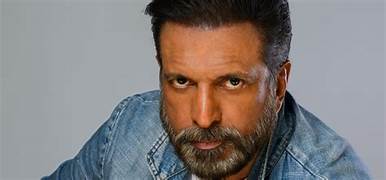
Rahi Anil Barve’s Mayasabha opens with two distinct images. First, a man: Parmeshwar (Jaaved Jaafery), hair grown wild and unattended, fills a cramped room with smoke. What initially reads as rage slowly reveals itself as something more fragile. It’s as if he is not shouting but breaking. It’s as if the sound is grief stripped of language. His body gives way, collapsing under a weight we sense has been carried for far too long. Blood gathers at his mouth, his eyes flicker, heavy with exhaustion, and then eventually closes. It feels less like death than a moment of unbearable rest, the body finally refusing to hold what the mind no longer can. And then morning arrives. A single shaft of sunlight touches the face of a child, Vasu (Mohammad Samad). He opens his eyes and draws in a deep breath, slow and full, like someone entering a new world. There is a sense of beginning here, almost of birth. He stretches as he stands. Behind him looms a giant movie screen; before him stands a dilapidated single-screen theatre. The title card appears: Mayasabha. In these opening minutes, Barve very much lays out his central thesis. Cinema is both the vault where trauma is locked away and the key that might one day open it.
Share this content:







Post Comment